Morocco’s “Gen Z 212”: A Reform Between Discord Rooms and Street reality - Mohamad Amin Omrani
Morocco’s “Gen Z 212”: A Reform Between Discord Rooms and Street reality - Mohamad Amin Omrani
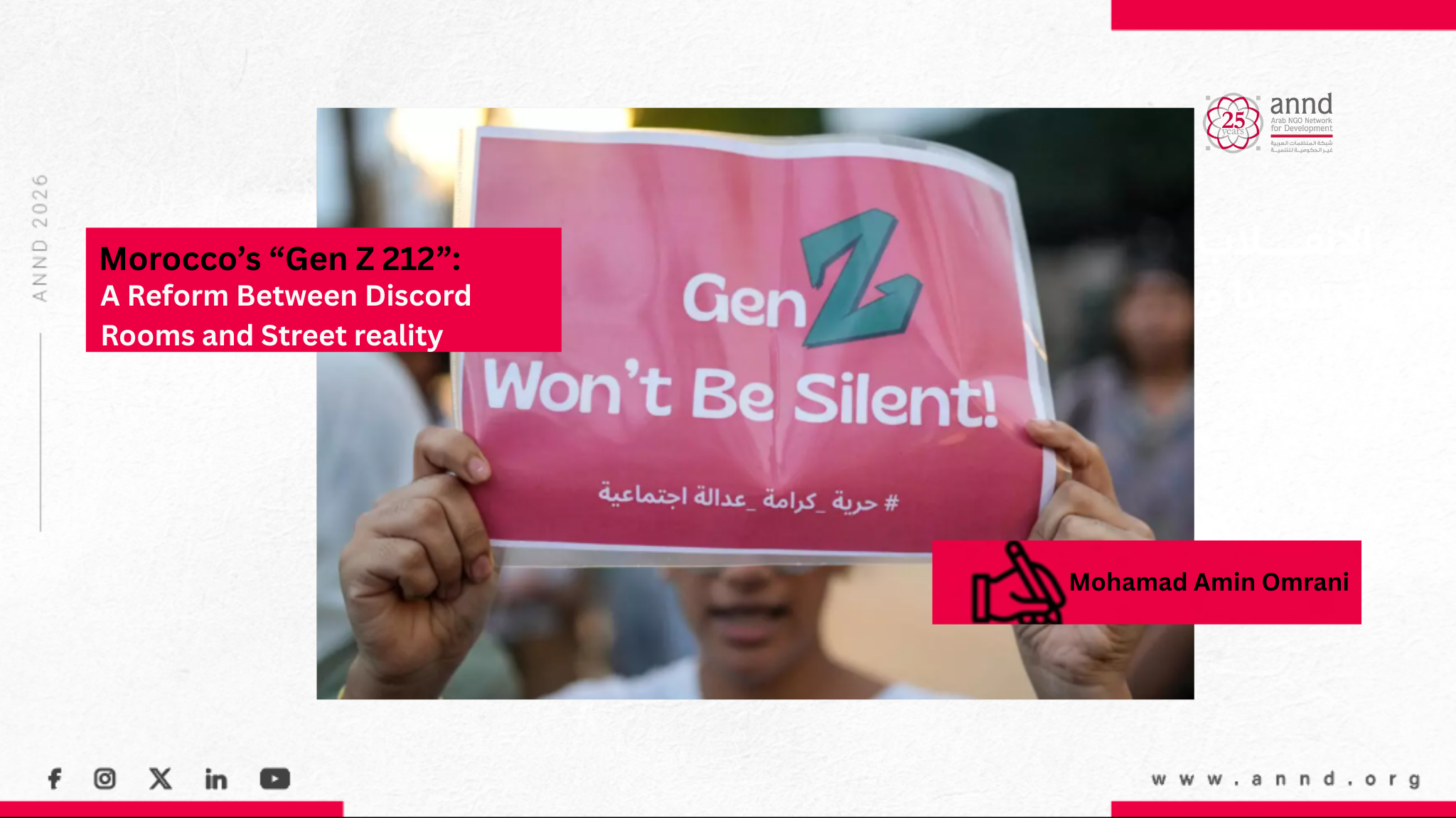
A careful reading of the events of 2024 and 2025 in Morocco reveals an unprecedented social transformation led by a generation aspiring to reform and the pursuit of rights and improved living conditions. This generation (Gen Z 212) has proven that it does not merely observe, but possesses the ability to organize itself digitally and on the ground around core issues: education, health, and employment—affirming that its goal is not to undermine the foundations of the political system, but to elevate state institutions to meet its aspirations.
The Spark: The Agadir Tragedy and the Lessons of Nepal
The movement was not born by chance, but rather from an explosion of accumulated anger resulting from the deterioration of health services. The tragedy that shook the city of Agadir—where 11 women died within a single month in maternity wards—was the spark that ignited the fuse. At that moment, Moroccan youth compared their reality with the Nepalese experience, where young people led an unprecedented movement that affected public policy, using technology as a tool for demanding change and reform.
From Digital to Street: The Day of Violent Security Intervention
Young people moved beyond the virtual world (Discord and Telegram) into the streets. On the day of the major protests, excessive security violence was recorded, resulting in the arrest of between 130 and 150 individuals. Protesters also faced harsh interventions, including forceful crackdowns on journalists and human rights activists. However, the scene did not pass in silence; journalists and activists joined the streets not only to cover events, but to support detained youth and demand their release. This broad solidarity formed a legal shield in the following days, leading to a shift toward containment rather than direct confrontation and a gradual reduction in security intervention.
The “Medical Revolution”: A Model of Success Under Pressure
Parallel to street arrests, medical students engaged in a “long-breath” struggle through a comprehensive boycott of exams, rejecting decisions that affected the quality of education. This resilience, supported by rights-based and union backing, resulted in what can be described as a “soft revolution,” through which students secured their rights without resorting to violence, achieving a significant moral victory.
Indirect State Response: Reordering Priorities
The Moroccan government realized that a purely security-based approach would not resolve the crisis of trust, leading to an indirect response through policy adjustments:
-
Structural reform in the health system: Accelerating regional hospital reform to prevent tragedies like Agadir.
-
Investing in minds: A historic increase in the 2024–2025 education budget in response to youth demands.
-
Improving dialogue channels: Launching social programs aimed at absorbing youth anger and integrating them into the labor market.
Conclusion: A Generation That Seeks Reform, Not Chaos
The events of 2024–2025 demonstrated that Morocco’s Generation Z is not driven by chaos, but by reform. Despite a violent beginning marked by confrontations and arrests, youth remained clear in their message: we want a social state that respects our citizenship. This generation succeeded in placing education and health at the top of the national agenda, affirming that patriotism is expressed through the desire to reform institutions.
Disclaimer: The opinions and ideas expressed herein are solely those of the author and do not necessarily reflect the official position of ANND.
Recent publications
Lebanon’s Reform Moment: From Fiscal Repair to Rebuilding the State - Lamia Moubayyed